My wake-up call came at a routine pharmacy check. The cuff tightened on my arm, a familiar sensation. But the numbers on the screen? Those were new. The nurse’s smile didn’t quite reach her eyes. “A little high,” she said, in that tone that means “concerningly high.” I felt fine. I was fine. Or so I thought. That was the most insidious part. I couldn’t feel the pressure silently straining my arteries, scaring my kidney tissues, and thickening my heart muscle. The damage was a secret between my body and that machine. If you think “fine” is a feeling that can protect you, it’s time we had a chat.
The Slow Creep of Unseen Damage:
Doctors call hypertension the “silent killer” for a reason. It doesn’t send you a warning shot. There’s no ache, no pain. The first sign for too many people is a catastrophic event, a stroke, a heart attack, what they call “sudden cardiac death.” The real danger isn’t the number itself; it’s what that constant, excessive force does to the delicate infrastructure of your body, day after day, year after year.
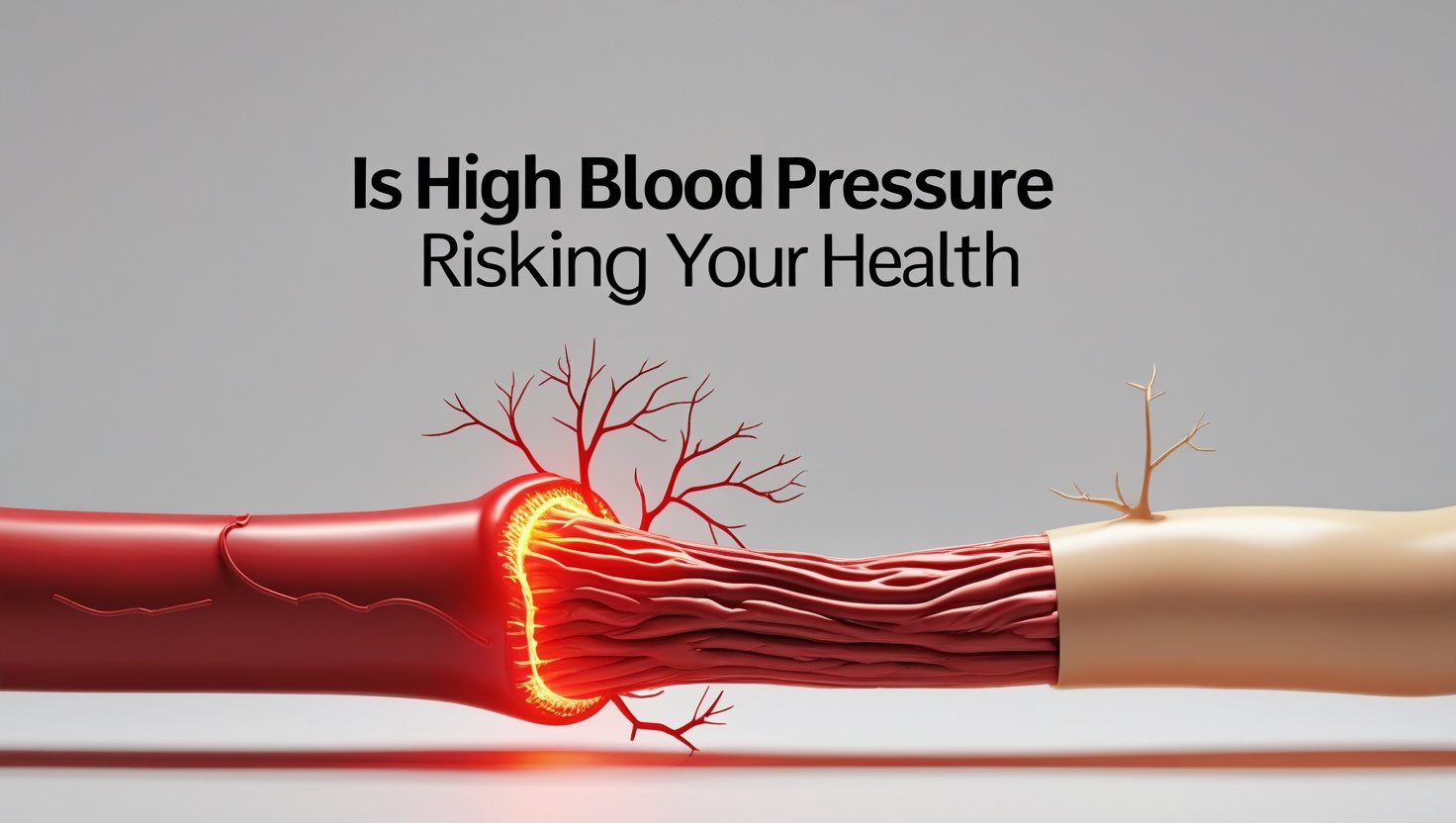
Imagine your arteries are beautiful, flexible garden hoses. High blood pressure is like turning the water on full blast and leaving it that way for a decade. The constant pressure makes the hose stiff and brittle. It weakens the lining, making it easier for junk (cholesterol, plaque) to stick to the walls and narrow the passage. It stresses the connections, the little sprinklers (your organs) at the end of the hose. Eventually, a weak spot can bulge (an aneurysm), the hose can clog completely (a heart attack), or it can burst (a stroke). This isn’t happening in some abstract medical textbook. It’s happening in the plumbing that keeps you alive.
The Domino Effect You Can’t Feel:
We get obsessed with the heart, but the ripple effect is what’s truly frightening. That relentless pressure doesn’t discriminate; it wreaks havoc everywhere.
- Your Brain: Think of your brain’s blood vessels like an intricate web of tiny, delicate lightbulbs. Constant high pressure can cause a tiny one to burst (a hemorrhagic stroke) or become blocked (an ischemic stroke). Even smaller, silent mini-strokes can chip away at your memory and cognitive function over time, often blamed on “just getting older.”
- Your Kidneys: These are your body’s master filtration system, packed with incredibly sensitive tiny blood vessels. Force too much blood through them for too long, and they become scarred and inefficient. They start letting protein leak into your urine (a key early warning sign) and slowly lose their ability to clean your blood, leading to kidney disease and dialysis.
- Your Eyes: The eyes aren’t just the window to your soul; they’re a live feed of your blood vessels. An optometrist can see the damage hypertension causes—tiny burst vessels, narrowing, even swelling of the optic nerve. Left unchecked, it can lead to vision loss.
- Your Heart: This is the muscle doing all the pumping against this intense pressure. It responds the way any muscle would when asked to work too hard: it gets bigger and thicker. But a bigger heart isn’t a stronger heart. It’s a stiff, inefficient one that can struggle to pump blood, leading to heart failure.
The “Why” Isn’t Always Salty:
We’re quick to blame the salt shaker, and it’s a player, for sure. But for many of us, it’s more complicated. It’s a perfect storm of modern life.
For me, it was a combination of things I thought were just… life. A job that kept me glued to a desk. The “I’m too tired to cook” reliance on processed food. The glass of wine to decompress, which ironically, tightened my vessels right back up. The low-grade, constant stress had my body subtly flooded with cortisol, a hormone that tells your body to clamp down those arteries. And yeah, a family history that meant my body was always going to be a little more prone to this. I wasn’t a villain; I was just living a 21st-century life, and my blood pressure was the bill coming due.
How to Show Your Silent Roommate the Door:
The good news? This is one of the most controllable risk factors we have. You can’t change your genetics, but you can change almost everything else. You don’t have to run a marathon tomorrow. It starts with small, non-negotiable acts of rebellion against the pressure.
My journey started with walking. Not power walking. Just… walking. Twenty minutes, most days. I didn’t lose a ton of weight, but I started sleeping better and my stress levels dipped. Then, I got sneaky with food. I didn’t go on a diet. I just started adding one vegetable to every meal. A handful of spinach in my eggs. Some carrots with lunch. More volume, more nutrients, less room for the processed stuff. The DASH diet isn’t a punishment; it’s just eating like your grandparents probably did.
The most powerful tool? Breathing. Not the kind you do without thinking. The kind you do on purpose. Five minutes of deep, slow belly breathing tells your nervous system to stand down. It lowers cortisol. It tells your arteries to relax. It’s a direct counter-attack on the stress that’s fueling the fire. It’s free, and you can do it anywhere.
Medication isn’t a failure. For many, it’s the necessary shield that protects your organs while you build those longer-term lifestyle habits. It’s like a cast for a broken bone, it provides support so the real healing can happen underneath.
Getting a home monitor was my final step. It took the power away from that scary clinic reading and gave it back to me. I could see what relaxed me, what stressed me, and how my small changes were quietly adding up to a lower, safer number.
Conclusion:
The goal isn’t just a “good” number on a chart. It’s peace of mind. It’s knowing you’re not hosting a silent disaster in your own body. It’s making sure the only thing flowing through your pipes is life, not a slow-moving threat.
FAQs:
1. I feel fine. Should I still be worried?
Absolutely. Hypertension is famous for having no symptoms until significant damage is done. Feeling fine is not a reliable health metric.
2. Is the main cause just eating too much salt?
It’s a big factor, but it’s often a combo of genetics, stress, lack of activity, and overall diet—not just salt.
3. If I start medication, will I be on it for life?
Not necessarily. For many, medication is a temporary tool to get numbers under control while they build sustainable lifestyle habits that may eventually reduce or eliminate the need for it.
4. Can young people get high blood pressure?
Yes, increasingly so. Poor diet, stress, and sedentary lifestyles are making it an issue for people in their 20s and 30s, not just older adults.
5. How often should I get it checked?
At least once a year at a check-up. If you have elevated numbers or a family history, investing in a home monitor to check occasionally is a smart move.
6. Are home blood pressure monitors accurate?
Yes, good quality, FDA-approved monitors for the upper arm are very accurate. The key is using them correctly (resting for 5 mins first, proper cuff placement).
